Buying the home where your children will grow up is one of the most important —and most emotional— decisions of your life. In Mallorca, there are also island-specific factors at play: the distance to international schools, the climate, the orientation of the home or the difference between living in Palma and in an inland village. This guide gathers what truly matters so you choose well and have no regrets two years down the line.
1. Location is everything (and you plan it ten years ahead)
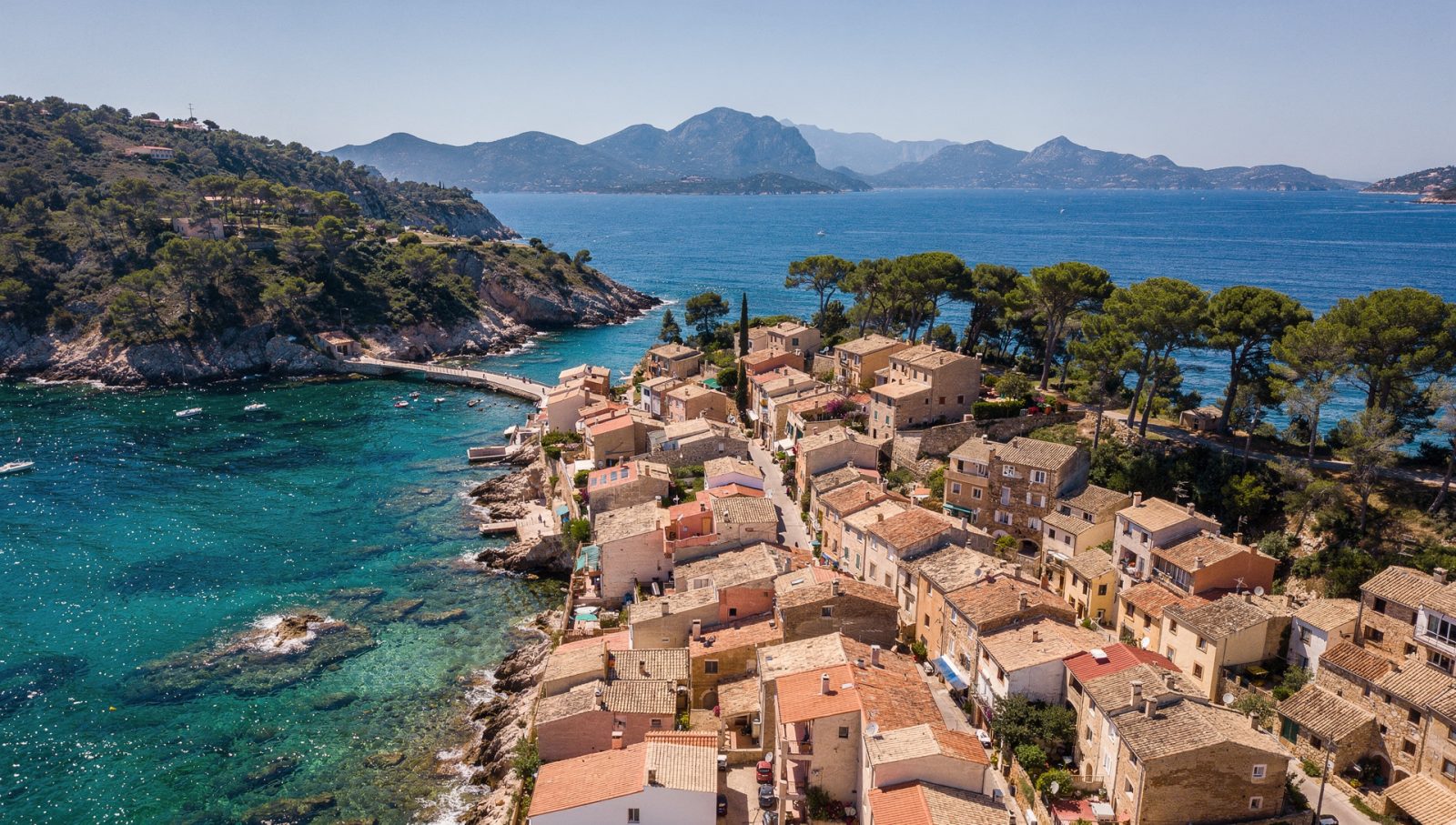
A good home in a poor location is hard to put right; the reverse, far less so. Before you fall in love with a house, assess the surroundings: how far is it to the school, to work, to the supermarket and to the health centre? What is the traffic like at rush hour? In Mallorca, areas such as Palma and its metropolitan belt offer services close at hand, while the villages of the Tramuntana or the Pla bring tranquillity in exchange for more time in the car. Think about the medium term too: an up-and-coming neighbourhood can appreciate in value, but it is worth confirming what is planned to be built nearby.
2. Schools and services for the family
If you have children or plan to, the school map shapes your search. Mallorca has a broad network of state, semi-private and international schools (British, German and International Baccalaureate), many of them clustered around Palma. Look into places, languages and school transport routes before settling on an area. The same applies to paediatricians, after-school activities and safe green spaces.
3. The space you need today… and in five years' time
It is easy to buy with your current family in mind and end up short of space. Before deciding, draw up a realistic list of needs:
- Number of bedrooms allowing for possible children, a study or a guest room.
- Shared spaces: a generous kitchen and a living room that can take the strain of daily life are worth more than decorative square metres.
- Outdoor space: garden, terrace or pool; essential with children and usable almost all year round in Mallorca.
- Storage: storerooms, wardrobes and a garage. Undervalued until it is missing.
4. The condition of the home and hidden costs
A renovation can turn a sound house into your ideal home, but it can also send the budget soaring. Check the services, damp, joinery, energy efficiency and the age of the roof. Ask for the energy certificate and, in homes with history, make sure everything is legalised and registered. A proper technical survey before you sign saves a lot of grief: it is exactly the kind of arrangement we coordinate for you at DeAlmeida.
5. The total budget, not just the price
On top of the purchase price you need to add taxes (transfer tax on resale homes or VAT on new builds), notary, land registry and conveyancing fees: altogether, around an additional 10-13%. If you are financing the purchase, work out the monthly payment with room for the unexpected. And if you are still unsure whether now is your moment, you will find it helpful to read our comparison on buying or renting in Mallorca.
Frequently asked questions
What matters more, the house or the location?
The location, because it shapes your day-to-day life and is the one thing you cannot change. A home with room for improvement in a good area is usually a better investment than a perfect house that is poorly situated.
Is it worth buying a home to renovate?
It can be a great opportunity if the price reflects it and you have a realistic renovation budget. A prior survey is key to avoiding structural or legal surprises.
How much extra budget should I allow on top of the price?
Around an additional 10-13% in taxes, notary, land registry and conveyancing fees, plus a margin for renovation or furniture.
At DeAlmeida Properties we listen to you, shortlist only what fits your family and stay by your side right up to completion. If you would like us to help you find your home in Mallorca, tell us what you are looking for or explore our available properties.